The short version
- Biological (bio) detergents contain enzymes that break down stains. Non-bio detergents don’t.
- Non-bio is the safer choice for wool and silk, because some enzymes can damage protein fibres.
- UK dermatologists have said there’s no good evidence that bio detergents cause skin problems in normal use. Many people with sensitive skin still prefer non-bio.
- Pre-treat stubborn stains, and soak protein stains like blood in cold water first.
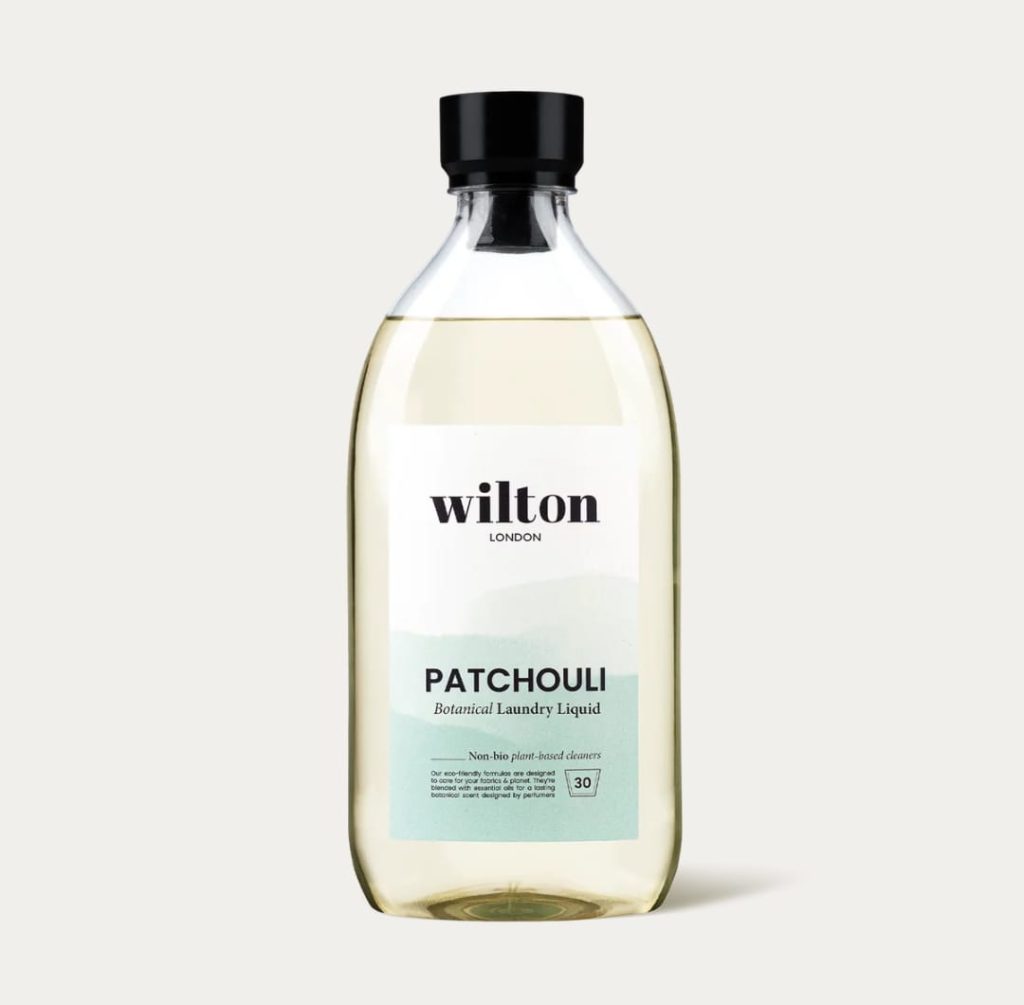
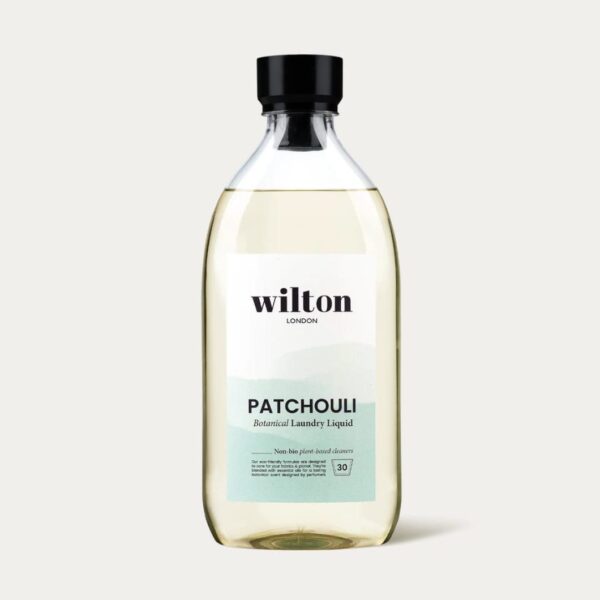
Laundry is one of our biggest-selling ranges. Wilton London’s Eco Non-Bio Laundry Liquid and its matching fabric conditioner get reordered more than almost anything else in the shop. So what does non-bio actually mean, and how do you get the best results from it?
What’s the difference between bio and non-bio?
| Biological | Non-biological | |
|---|---|---|
| Enzymes | Yes. Protease, amylase and lipase break down protein, starch and grease stains | None |
| Cleans with | Enzymes and surfactants | Surfactants |
| Strongest on | Food, grass and grease stains at low temperatures | Everyday washing, delicates, wool and silk |
| Wool and silk | Not recommended | Yes |
Surfactants are the ingredients that lift dirt and grease away from fabric so the water can rinse them off. The surfactants in Wilton London’s liquids come partly from chicory root and soy beans. If you’d like to know more about surfactants, our guide to SLS and SLS-free products explains how they work.
Is non-bio better for sensitive skin?
It’s widely believed, but the evidence doesn’t really back it up. In 2008, UK research reported by dermatologists found no convincing evidence that biological detergents cause skin irritation or make eczema worse in normal use. The British Association of Dermatologists said at the time that doctors should look beyond washing powder when investigating flare-ups.
Plenty of parents still choose non-bio for babies and anyone with eczema, and that’s a perfectly reasonable choice. Rinsing properly, not overdosing and avoiding heavy fragrance often make more difference than bio versus non-bio.
Our Wilton London liquids are scented with essential oils, which a small number of people with very sensitive skin react to. If that’s you, wash a few items first and see how your skin gets on.
What Wilton London leaves out
As well as being non-bio, Wilton London’s laundry liquids are made without:
- phthalates, phosphates, parabens and triclosan
- optical brighteners. These are fluorescent chemicals that make whites look brighter by reflecting light, rather than making them cleaner.
- chlorine bleaches, microplastics and dyes
- animal-derived ingredients, including tallow
How to get the best from a non-bio liquid
- Treat stains early. Rub a little liquid straight into the stain and leave it for 15 minutes before washing.
- Use cold water for protein stains. Soak blood, egg and milk in cold water first. Hot water sets them.
- Wash at 30 to 40°C for everyday loads. Go hotter for towels and bedding if the care label allows.
- Don’t overload the drum. Clothes need room to move for the water and detergent to reach them.
- Follow the dose on the bottle. More detergent isn’t more clean. It leaves residue that can irritate skin and dull fabrics.
Fabric conditioner: when to use it and when to skip it
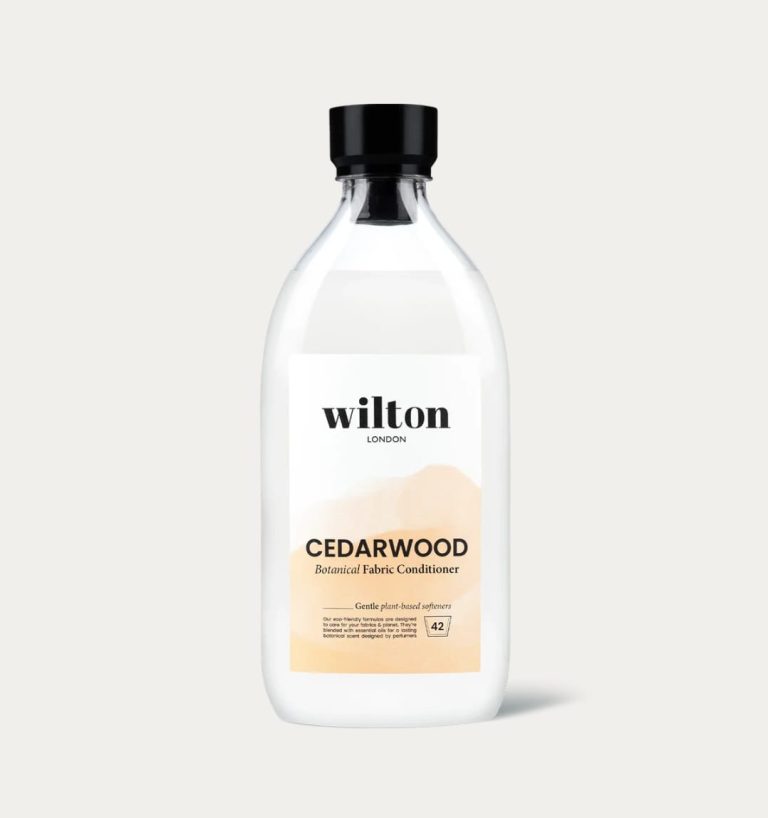
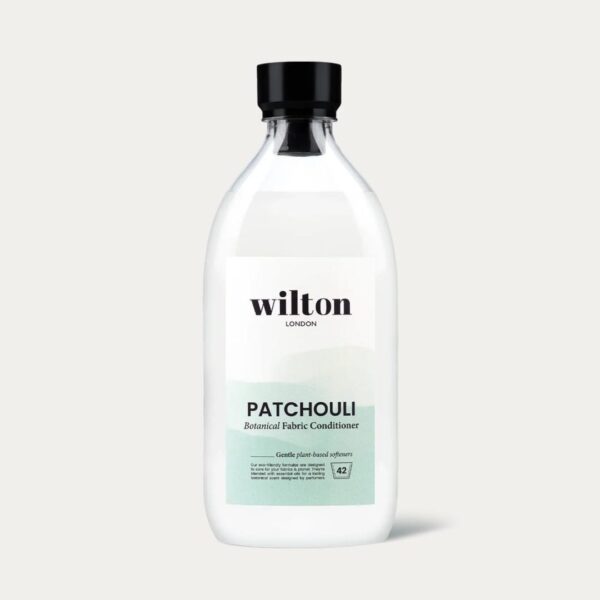
Wilton London’s Eco Fabric Conditioner softens clothes and leaves a light scent. It’s great for everyday cotton and knitwear. Use less, or skip it, for:
- Towels. Softener can coat the fibres and make towels less absorbent over time.
- Sportswear and microfibre. It can clog the fabric and trap smells.
Which scent?
The liquid and the conditioner each come in three scents, so you can match them:
- Patchouli: warm and earthy, with cedarwood and star anise. Laundry liquid and conditioner.
- Cedarwood: woody, with orange and a little cinnamon. Laundry liquid and conditioner.
- Jasmine: floral, with ylang ylang. Laundry liquid and conditioner.
Shop the guide
See everything in laundry.
Questions we get asked
Can I use non-bio for baby clothes?
Yes. Non-bio is a popular choice for babies. Rinse well and use the dose on the bottle.
Does non-bio work at 30°C?
Yes, for everyday washing. Pre-treat stubborn stains, as non-bio doesn’t have enzymes to do that work for you.
Is it safe for wool and silk?
Non-bio is the better choice for wool and silk. Always check the care label and use a delicate or wool cycle.
More from the journal: how to make your washing smell fresh and plastic-free bathroom swaps that actually work.