The short version
- Mineral suncream uses zinc oxide or titanium dioxide. Chemical suncream uses organic UV filters. Both protect you if they’re properly tested and applied.
- The NHS recommends at least SPF 30 and at least 4-star UVA protection.
- Most people use far too little. Aim for around two teaspoons for your head, neck and arms, and reapply every two hours and after swimming.
- Mineral formulas often suit sensitive skin, but they can leave a white cast if you don’t rub them in well.
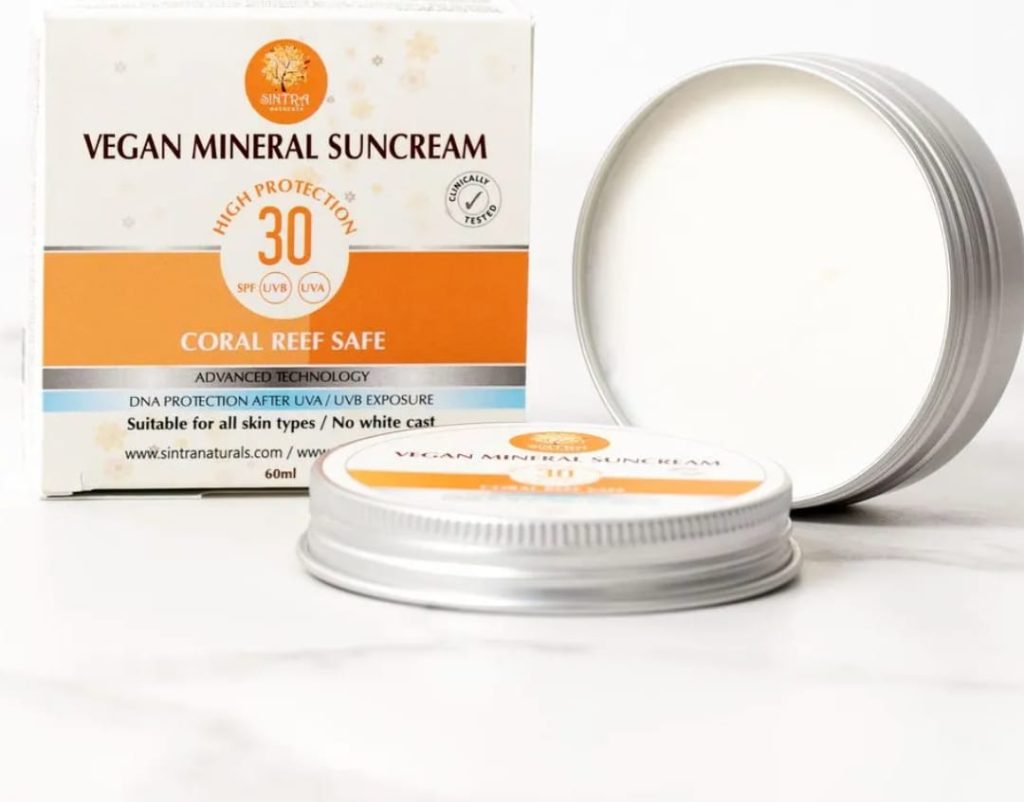
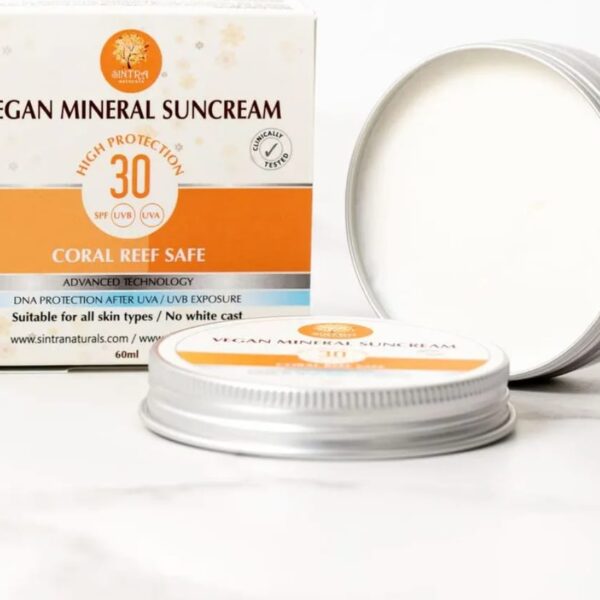
Our Vegan Mineral Suncream SPF 30 is one of the most popular things in our face and lips range. People often ask how it differs from a high-street suncream, so here’s a clear comparison and the advice that matters most: how much to use.
How mineral and chemical suncreams work
| Mineral | Chemical | |
|---|---|---|
| Active ingredients | Zinc oxide and/or titanium dioxide | Organic UV filters, such as avobenzone or octocrylene |
| How it protects | Sits on the skin and absorbs and scatters UV | Absorbs UV and turns it into a little heat |
| Texture | Can be thicker and leave a pale cast | Usually thinner and fully clear |
| Often suits | Sensitive skin, children, people who react to UV filters | People who want a light, invisible finish |
Zinc oxide on its own protects against both UVB, which causes burning, and UVA, which ages skin and also contributes to skin cancer. That’s one reason it’s popular in mineral formulas.
SPF and stars: reading the label
- SPF measures protection from UVB. SPF 30 means it takes roughly 30 times longer for skin to start burning than it would without protection, if you apply enough.
- UVA stars (out of 5) or a UVA logo in a circle show UVA protection. The circle means the UVA protection is at least a third of the SPF.
The NHS recommends a suncream with at least SPF 30 and at least 4-star UVA protection. Ours is SPF 30, tested to ISO 24444, the European and UK standard for measuring SPF, and also tested for UVA. It’s made with Zinc Clear XP, a non-nano zinc oxide, plus mango butter and jojoba oil. Check the pack for the full details.
How much suncream should you use?
This matters more than which type you choose. Most people apply less than half the amount used in SPF testing, so they get much less protection than the label says. The NHS suggests:
- around 2 teaspoons to cover your head, arms and the back of your neck
- around 2 tablespoons if you’re covering your whole body, for example in swimwear
- reapplying every 2 hours, and straight after swimming, sweating or towelling off, even if it says water-resistant
Warm a little between your fingertips first, then pat and smooth it on in thin layers instead of one thick one. That gets rid of most of the white cast.
Suncream is only part of the picture. Spend time in the shade between 11am and 3pm in the UK summer, cover up with a hat and clothing, and keep babies under 6 months out of direct sun altogether.
What about “reef-safe”?
“Reef-safe” isn’t a regulated term in the UK, so treat it with care. What we do know is that Hawaii banned two chemical filters, oxybenzone and octinoxate, over concerns for coral reefs. Mineral formulas made with non-nano zinc don’t contain either. 10p from every sale of our suncream also goes to the Marine Conservation Society, and it comes in plastic-free recycled board packaging.
Where it fits in your routine
- Cleanse.
- Moisturise, then a few drops of Coffee and Rosehip Face Oil if you use one.
- Suncream, as the last step of your skincare.
- Make-up on top, if you wear it. Our Loose Powder Mineral Foundation is mica- and titanium dioxide-free. Make-up doesn’t replace suncream.
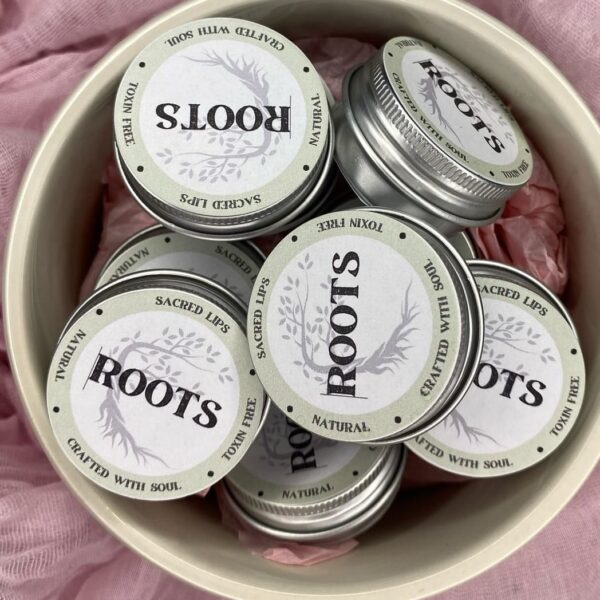
- Don’t forget your lips. Our Sacred Lips balm, with avocado oil, beeswax and coconut oil, keeps them soft. It doesn’t contain SPF, so wear a hat or find shade in strong sun.
Shop the guide

See everything in face and lips.
Questions we get asked
Is SPF 30 enough?
The NHS recommends at least SPF 30. Applying enough and reapplying often makes a bigger difference than the jump from SPF 30 to 50.
Does mineral suncream work straight away?
Yes. It protects as soon as it’s on, although it’s still sensible to apply it before you go out so you don’t miss any patches.
Can I use it on my children?
Check the pack for age guidance. For children, the NHS advises SPF 30 or above with high UVA protection, plus shade, hats and covering up.
More from the journal: what SLS is and who might want to avoid it and plastic-free bathroom swaps that actually work.